From “No-Kill by 2020” to Crisis Mode in 2025 — What Changed at The Animal Foundation?
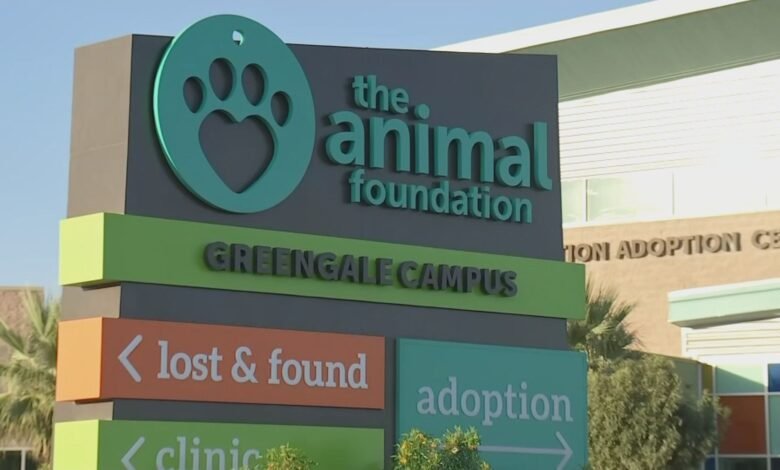
In June 2015, The Animal Foundation held a press conference with Clark County commissioners, the Las Vegas mayor, and the District Attorney flanking their CEO on stage.
The announcement: a pledge to save 90 percent of animals by 2020, what TAF called “Mission: Possible 2020,” with CEO Christine Robinson saying the board had set a goal to save all healthy and treatable animals.
It was a good story. Local politicians got to be photographed next to it, the rescue community dared to believe it, and the numbers did improve — substantially.
Between 2015 and 2019, TAF’s live release rate for dogs and cats rose from 67 percent to 89 percent. Euthanasia dropped by roughly 70 percent over those five years, from around 9,400 cats and dogs annually to about 2,800.
Then 2020 arrived, and so did COVID.
With the pandemic emptying intake lines, TAF declared Mission: Possible 2020 a success. What the announcement didn’t lead with was that total intake had fallen by roughly a third that same year, with large double-digit declines in both dogs and cats.
The 2019 live release rate was already 89 percent before COVID hit. The pandemic didn’t build the system — it cleared the waiting room long enough for the numbers to cross the finish line.
Shortly after claiming success, Robinson retired from her $250K role.
Nobody updated the press release.
By 2025, TAF took in roughly 29,000 pets, an 11 percent increase from the year before. Dog surrenders rose about 15 percent. Cat surrenders rose about 25 percent.
The live release rate for dogs and cats is now around 82 percent. The euthanasia rate is around 15 percent.
The Las Vegas Sun, in recent coverage explaining local shelter options, now describes the Animal Foundation plainly as a kill shelter.
The Mission: Possible language has been quietly retired. In its place: urgent social media posts asking the public to foster, adopt, and donate their way out of a crisis the original mission was supposed to prevent.
The numbers are bad. What’s underneath them is worse.
The Animal Foundation operates a “foster-to-adopt” program that allows people to take animals home on a trial basis before finalizing an adoption.
Local advocates and whistleblowers allege that hundreds of animals per month have been leaving while still unsterilized, with foster parents promised the animal will be returned later for surgery.
TAF’s own dashboards do not break out how many animals are released to the public while still intact, or how many are later sterilized. That gap in transparency is itself part of the problem.
What is clear is that local ordinances and TAF’s shelter services contracts require the foundation to ensure that any cat or dog it adopts out or transfers is spayed or neutered in accordance with applicable law. That obligation is in the agreements with Clark County, the City of Las Vegas, and North Las Vegas.
Meanwhile, sterilizations have fallen by roughly a third since 2019, from over 18,600 surgeries annually to around 12,000 in recent years.
The Animal Foundation was literally founded as a spay and neuter clinic.
In 2023, No Kill Las Vegas sued TAF alleging sterilization failures, animal fatalities from negligence, and that more than 3,500 animals in TAF’s own intake records had no documented outcome.
Advocates who have raised these issues publicly say they feel limited leverage — they depend on TAF’s cooperation to place animals, which has pushed many toward legal and political channels rather than public pressure.
Expose the problem or protect the animals. In Las Vegas, doing both at once is not straightforward.
The government’s response has been to build. Clark County approved $11.4 million for TAF through June 2026, plus $1.75 million in intake-relief grants and $39 million for a new supplemental shelter near Tropicana and the 215 Beltway.
More square footage. More kennels. More capacity to hold a problem the underlying strategy is not addressing.
None of this is to say the people working inside TAF don’t care about animals. The overcrowding crisis is real, and it’s getting worse.
But there is a difference between a hard problem and a misrepresented one.
Las Vegas was told in 2015 that accountability was coming. It was told again in 2020 that it had arrived.
The current numbers are one answer to both claims.
A dog that spends eleven months in a kennel before being adopted is, technically, saved. Whether the system that produced that outcome deserves the label it gave itself is a different question, and one this city has been too willing to let go unasked.